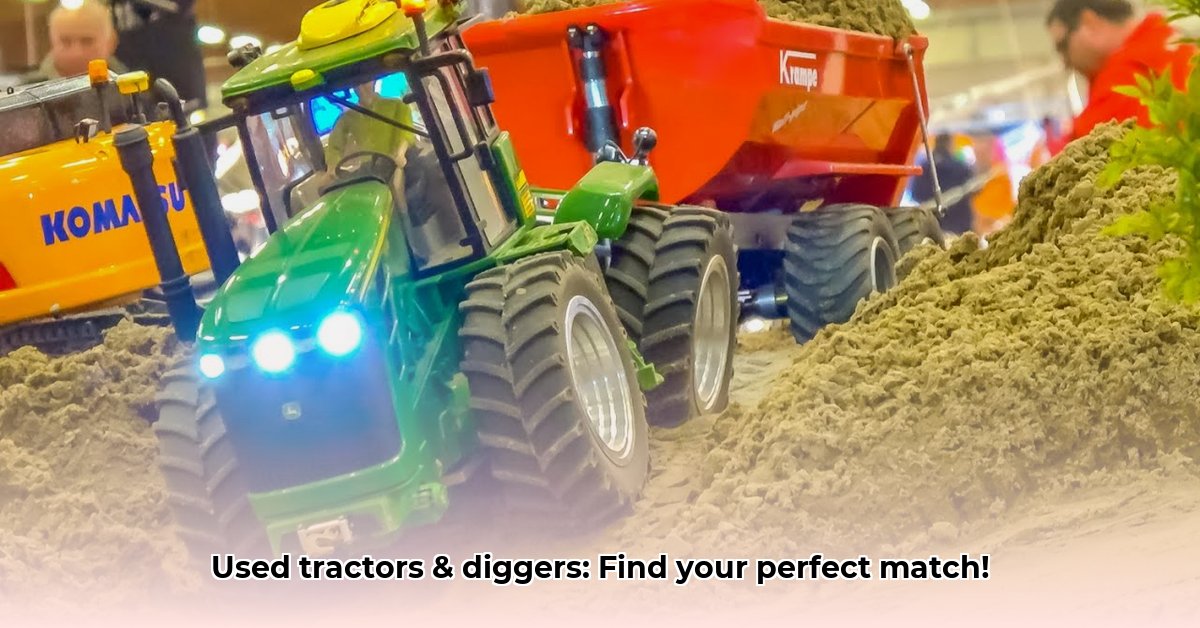
Understanding the Used Tractor and Digger Market in 2024
The market for pre-owned agricultural machinery, specifically tractors and diggers, is dynamic and diverse. Popular brands like JCB and Kubota dominate, but a wide range of manufacturers offer viable options. Demand varies; excavators and telehandlers, for example, are currently high in demand, reflecting the need for efficient infrastructure and materials handling. This market offers significant cost savings compared to new equipment, but careful evaluation is crucial. One key challenge is the lack of a centralized pricing database, leading to price variations based on location, condition, and specific features. This makes thorough research even more important. For deeper insights into used tractor values, check out this helpful resource: Used Tractor Values. Isn't it surprising how much the condition of a used machine can affect its value?
Your Tractor and Digger Buying Guide: A Step-by-Step Approach
Purchasing used equipment strategically involves several key steps. Let's break down the process to ensure you find the perfect fit:
1. Define Your Needs: Before you start browsing, consider these factors:
- Work Type: What tasks will the machine perform? Small-scale operations have different needs than large farms or construction sites.
- Budget: Set a realistic budget, factoring in potential repairs.
- Experience Level: Beginners might benefit from a simpler, older model. Experienced operators may opt for more advanced machinery.
- Essential Features: Determine which features are non-negotiable; fuel efficiency, attachment compatibility, etc. Prioritize your needs to streamline your search.
2. The Pre-Purchase Inspection: A Critical Step: A thorough inspection is paramount. Here’s a checklist:
a) Visual Inspection: Check for damage, rust, dents, leaks, and tire condition.
b) Fluid Level Check: Verify engine oil, hydraulic fluid, coolant, and transmission fluid levels. Note color and consistency.
c) Systems Test: Test the engine, hydraulics, transmission, and attachments. Listen for unusual sounds.
d) Professional Inspection: Engage a qualified mechanic for a comprehensive assessment. This step is highly recommended, especially for larger investments.
3. Stakeholder-Specific Considerations:
Small-Scale Farmers: Prioritize reliability and affordability. Focus on essential tasks and choose a machine that fits your budget and skill level. Remember, regular maintenance extends the life of your equipment.
Large-Scale Operations/Construction Companies: Long-term operational costs become paramount. Consider efficiency, minimization of downtime, and comprehensive maintenance strategies.
4. Risk Mitigation & Due Diligence: Used equipment involves inherent risks. Our analysis highlights key risk factors and mitigation strategies:
| Risk Factor | Likelihood | Impact | Mitigation Strategy |
|---|---|---|---|
| Mechanical Failure | Moderate | High | Thorough pre-purchase inspection; consider extended warranties. |
| Hydraulic Issues | Moderate | High | Closely inspect hydraulic components; inquire about recent maintenance. |
| Parts Availability | Low | Moderate | Research parts availability; build relationships with suppliers. |
| Price Volatility | Moderate | Moderate | Thoroughly research prices; compare across sources; account for regional differences. |
| Hidden Damage | Low | High | Meticulous visual and professional inspections are crucial. |
5. Regulatory Considerations: Ensure compliance with all local, state, and federal regulations concerning safety, emissions, and waste disposal. Non-compliance carries significant penalties.
6. Making Informed Decisions: Careful planning, research, and thorough risk assessment are vital. A pre-purchase inspection is non-negotiable. Remember, the right equipment significantly enhances efficiency and profitability.
Navigating the Used Excavator and Telehandler Market
Finding reliable used excavators and telehandlers requires a strategic approach. Here's a breakdown:
1. Assess Your Needs: Small-scale farmers might prioritize versatile, affordable options, while large-scale operations look for high-capacity, efficient machines.
2. Sourcing Used Equipment: Explore online marketplaces (like Machinio1), auctions, and local dealerships. Each option has benefits and drawbacks.
3. The Inspection Process: A detailed inspection is critical. Follow the same steps outlined in the main buyer's guide.
4. Risk Mitigation: Implement the risk mitigation strategies discussed previously.
5. Regulatory Compliance: Ensure compliance with all relevant legal and environmental requirements.
6. Financial Considerations: Budget carefully, factoring in purchase price, transportation, potential repairs, and maintenance. Explore financing options if needed. Remember, prioritizing quality often translates to better long-term value.